Why Security Guards Alone Cannot Protect Large Farmlands
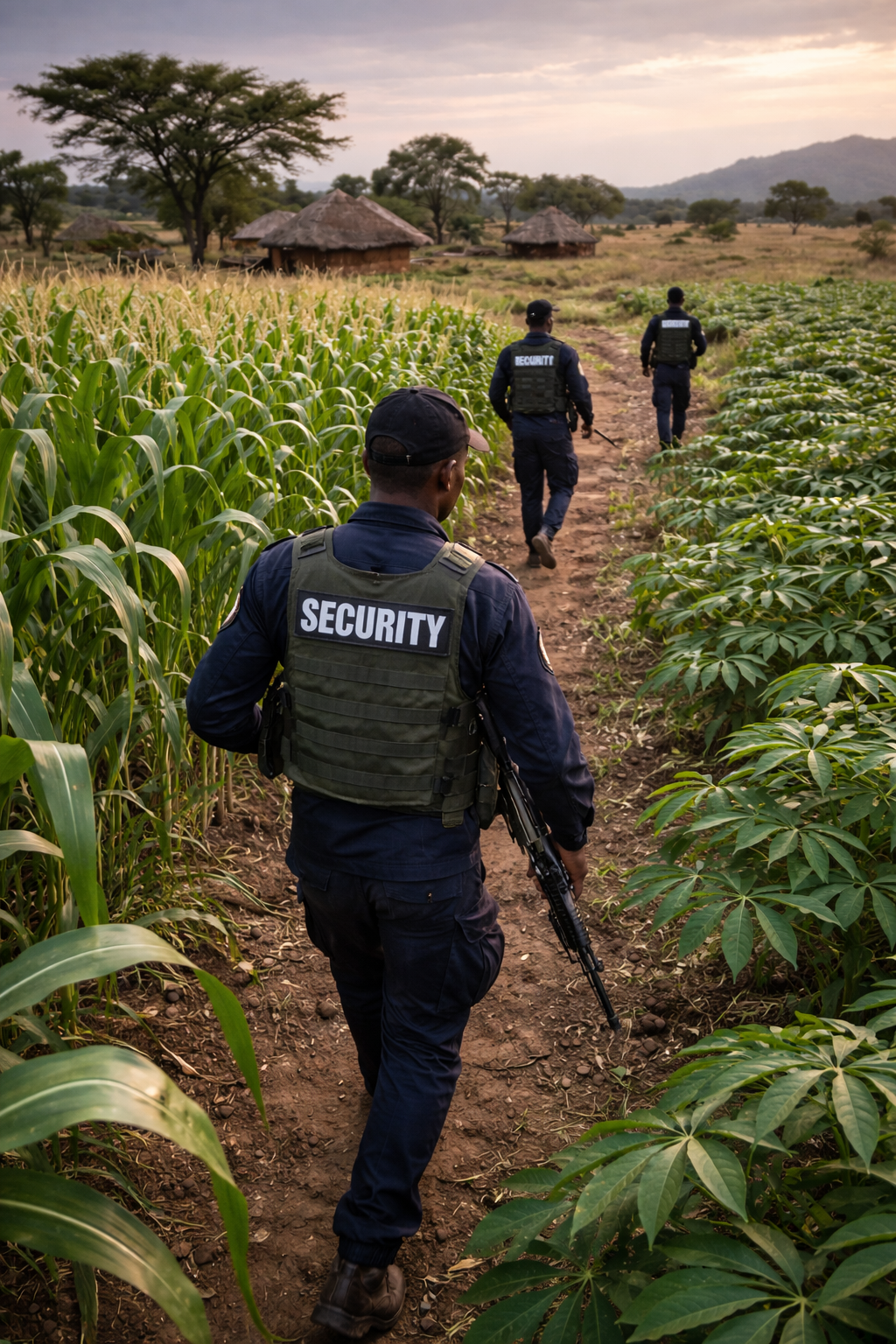
A large cassava farm in Oyo State spent over ₦14 million last year on security guards, hoping more boots on the ground would finally stop the losses. By harvest time, they still discovered that nearly 35% of their crop had been stolen or grazed — much of it in broad daylight. This story is repeated across Nigeria every season.
If you think simply doubling your security staff will solve the problem, you may be making a multi-million Naira mistake.
It sounds logical: more hectares should mean more guards. But in the reality of large-scale farming in Nigeria, relying solely on human guards is not just expensive — it’s strategically flawed.
- The “Human Speed” vs “Crisis Speed”: A security guard walks at roughly 5 km/h. On a 500-hectare farm, a breach at the far end can take 20–30 minutes to reach. By then, thieves or cattle have already caused tens of millions of Naira in damage and disappeared.
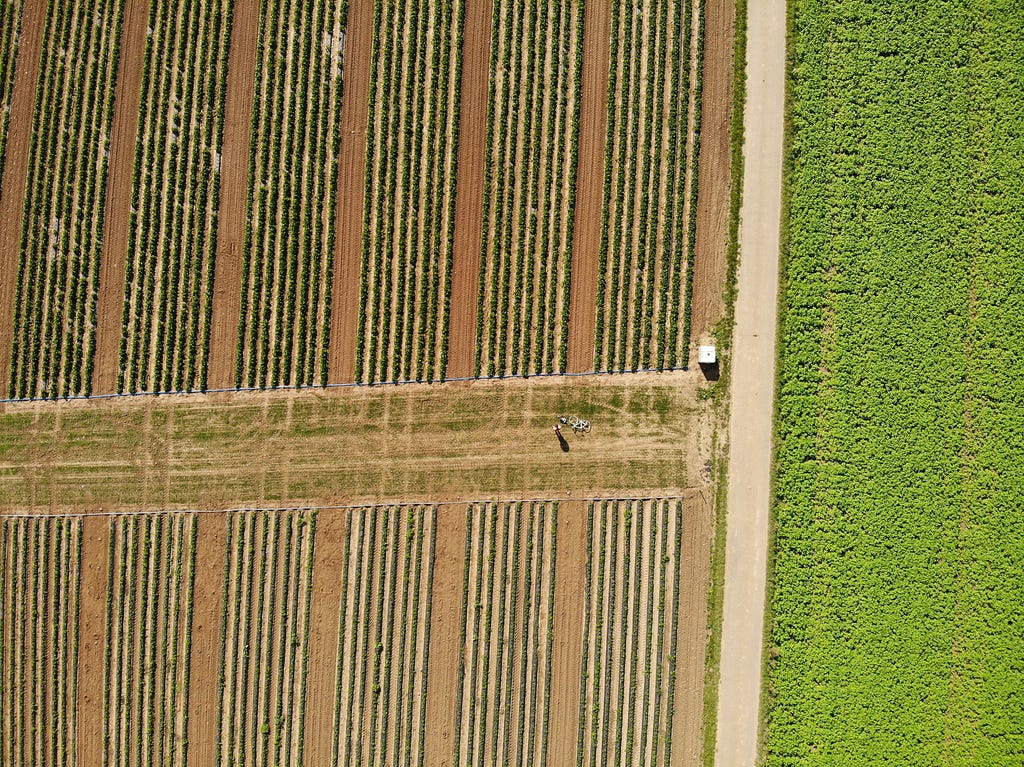
2. The Fatigue Factor: Patrolling vast, rugged terrain under the hot Nigerian sun is exhausting. Guards often end up stationary near gates or shaded areas, leaving remote high-risk zones under-patrolled. This creates predictable gaps that organised thieves and herders quickly exploit.
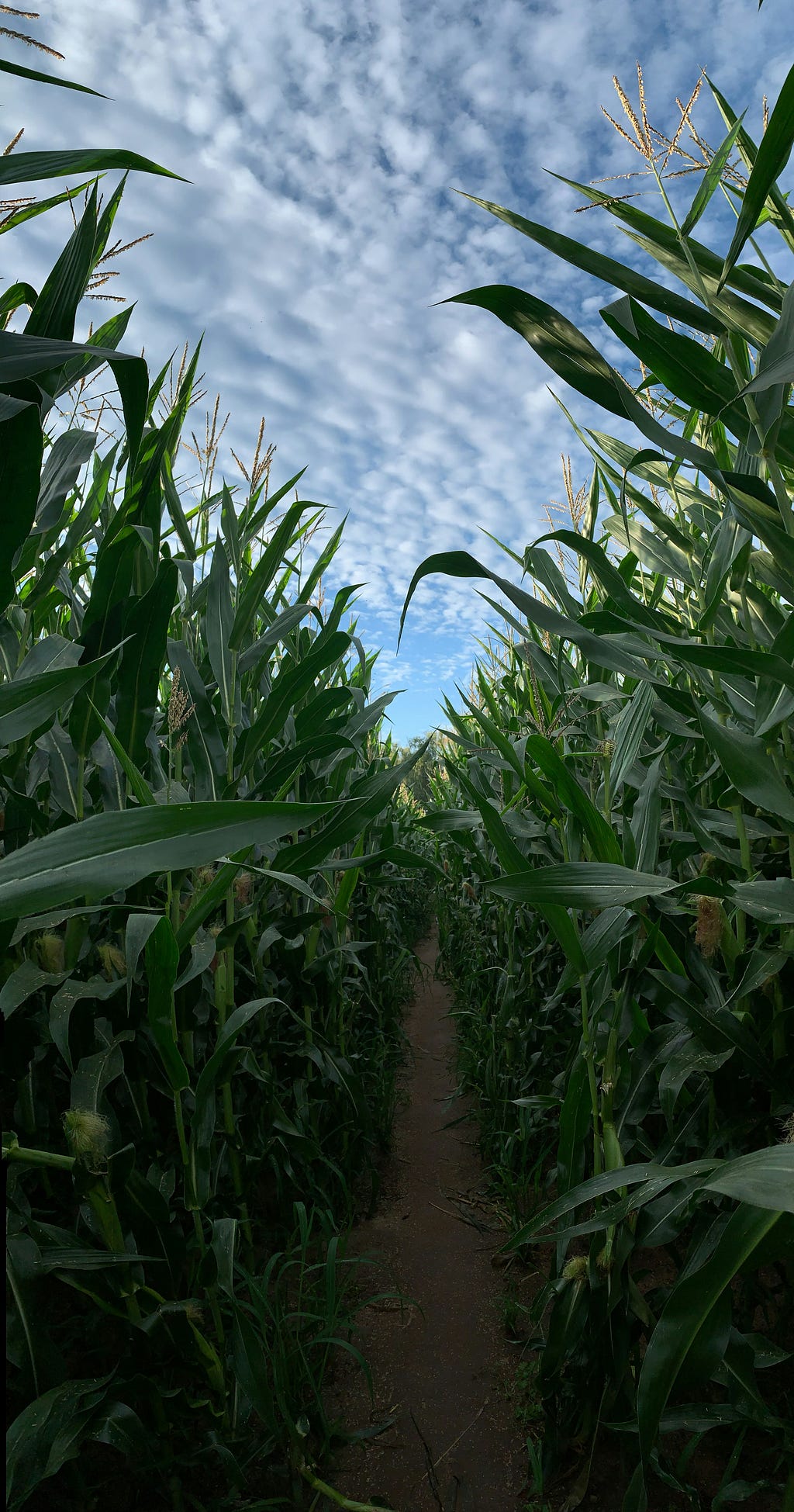
3. The “Tunnel Vision” Problem: A guard’s line of sight is limited to just a few metres in tall crops like maize or sugarcane. They can stand 50 metres away from active theft or grazing and have no idea it is happening — the same blind spots we saw in high-growth zones and topography traps.
4. High Costs, Low ROI: More guards mean higher salaries, kits, training, and management overhead. Many farms spend ₦10–20 million annually on security staff (salaries alone often ₦70,000–₦100,000+ per guard per month, plus training and management), yet blind spots remain unchanged because ground-level perspective never improves.
The Strategy Shift
The problem is not the dedication of your guards — it’s the natural limits of human eyes and legs. These weaknesses explain why the hidden blind spots and rapid illegal grazing incidents we discussed earlier continue despite increased manpower.
To truly protect a modern agricultural investment in Nigeria, you don’t need more feet on the dirt. You need an eye that never gets tired and can see over the horizon.
Key Takeaway: Security guards are essential, but they cannot overcome the physical limits of human speed, fatigue, and visibility. Relying on them alone leaves your farm vulnerable and your security budget wasted.
Are you paying for real security, or just paying for the feeling of being secure while your profits continue to disappear?
Tomorrow (Day 6): We explore the bigger picture — How State Governments Can Protect Agricultural Investments.
Beat Drone
Originally published on Medium