Why Drone Technology Is Becoming Essential For Modern Security
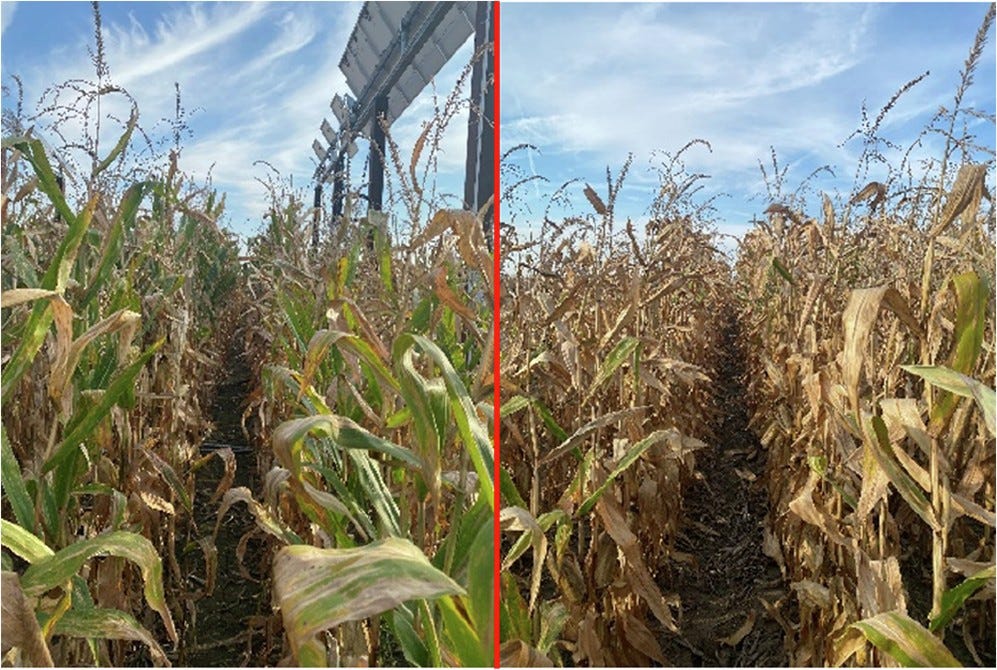
Security challenges in Africa are growing more complex and expensive. Large farms are expanding deeper into remote areas, industrial sites are getting bigger, and critical infrastructure now stretches across vast distances.
Traditional security systems — guards, fences, and fixed cameras — are increasingly overwhelmed.
Real Stories from the Field
In 2024, a large cassava farm in Benue State lost over ₦38 million worth of produce in one season to organised theft and illegal grazing. Despite having 15 security guards, thieves operated in blind spots that the guards could not reach in time. After deploying drone surveillance, the farm reduced security incidents by over 65% within four months.
Similarly, in Kaduna State, a 1,200-hectare integrated farm suffered repeated night attacks. Herds of cattle would destroy crops before guards could respond. After introducing thermal drone patrols, the farm detected and dispersed intruders multiple times before significant damage occurred — saving an estimated ₦22 million in a single harvest season.
These are not isolated cases. Across Nigeria and parts of East Africa, similar stories are prompting farm owners and security managers to seek better solutions.
The Shift in Modern Security
Security today is no longer just about manpower. It is about real-time awareness and response speed. Organisations need to know what is happening, where it is happening, and how to respond before losses become catastrophic.
This is where drone technology is changing the game.
How Drones Are Transforming Security Operations
Drone systems give security teams capabilities that were previously impossible with ground-only methods:
- Rapid Wide-Area Coverage: A single drone can patrol hundreds of hectares in minutes, compared to hours on foot.
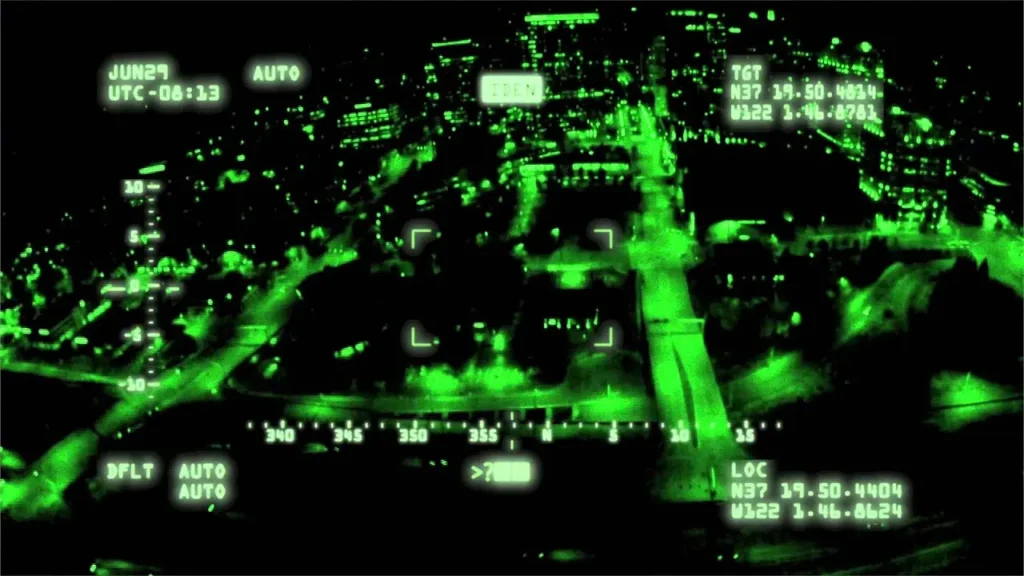
- Night and Thermal Vision: Thermal drones detect human and animal movement in complete darkness.
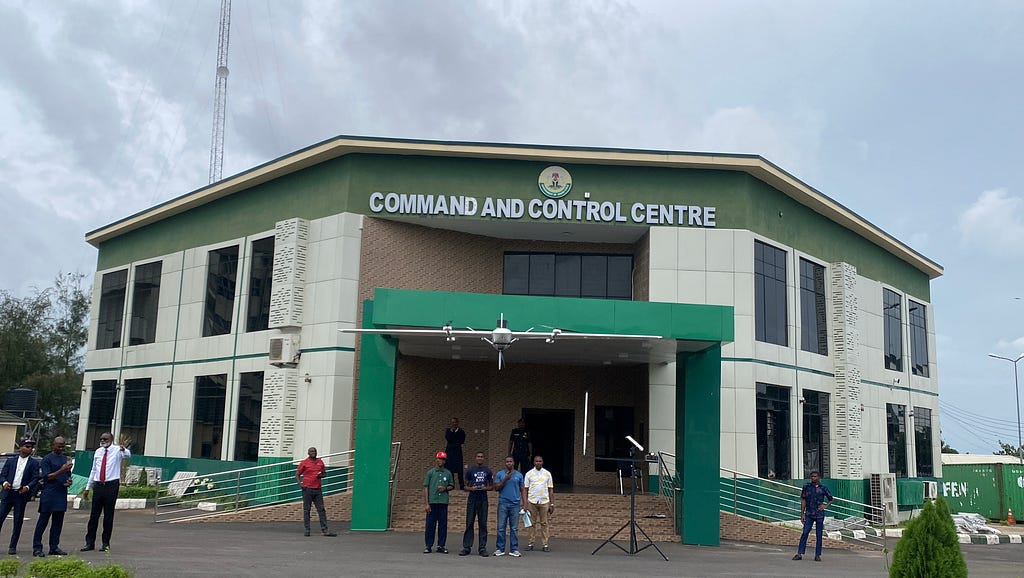
- Real-Time Alerts: Live video feeds allow command centres to direct ground teams to exact locations.
- Evidence Collection: Clear aerial footage strengthens prosecution cases and acts as a strong deterrent.
- Reduced Risk: Security personnel can monitor dangerous or remote areas without physical exposure.
Where Drone Security Is Making the Biggest Impact
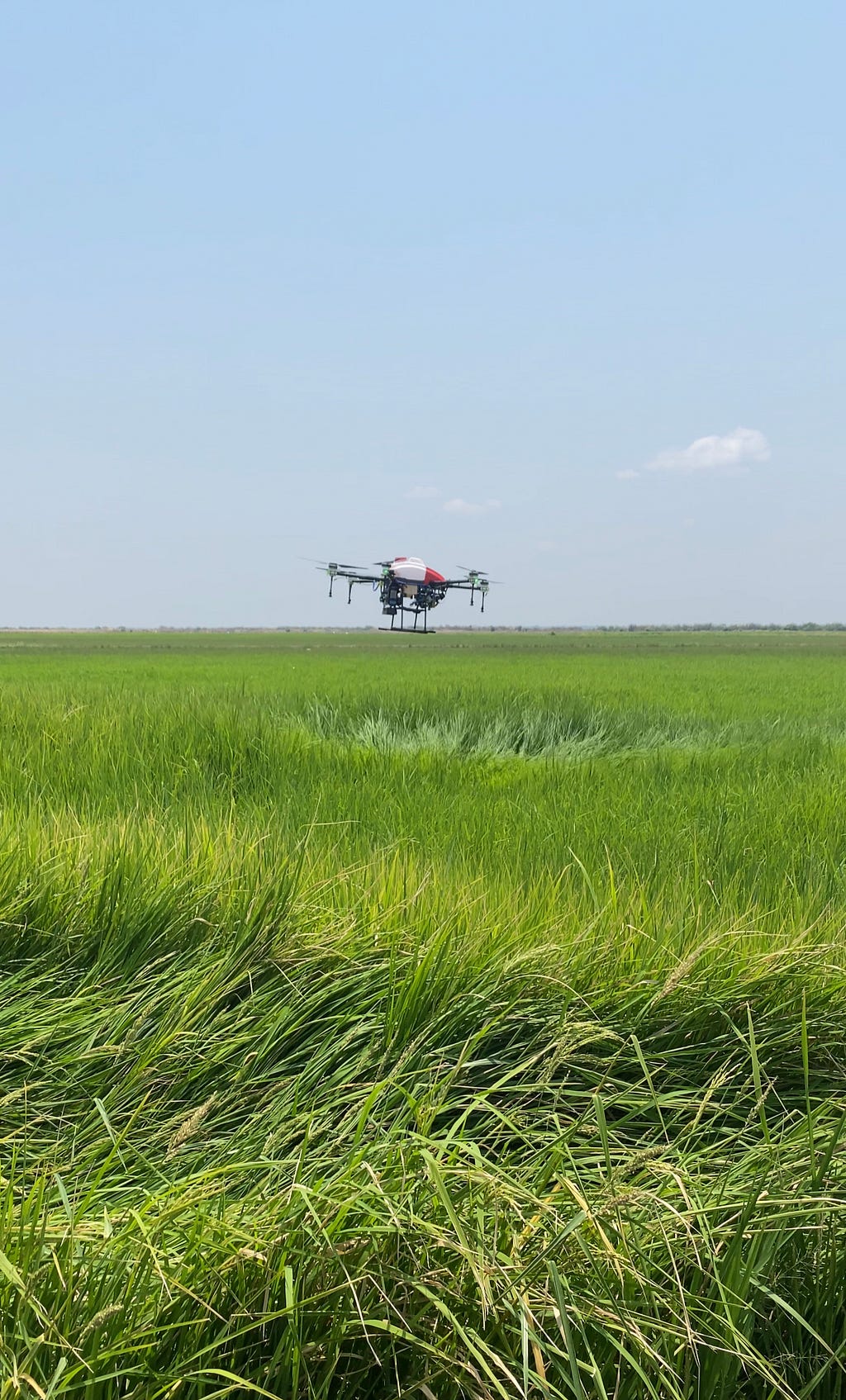
- Large-scale Agriculture: Protecting crops and livestock from theft and illegal grazing.
- Estates & Private Developments: Securing high-value residential and commercial properties.
- Oil & Gas Facilities: Monitoring pipelines and remote installations against vandalism and theft.
- Critical Infrastructure: Protecting power stations, telecom towers, and transport corridors.
Why This Matters for Africa
With vast landscapes, limited road networks, and rising security threats, many African countries face unique monitoring challenges. Drone technology bridges these gaps by reducing dependence on large ground teams while delivering faster, more intelligent security coverage.
Companies like Beat Drone are developing rugged, locally adapted systems specifically designed for African conditions — handling dust, heat, and long-range operations effectively.
Key Takeaway: Drone technology is becoming essential for modern security because it solves the core problem of visibility at scale. Organisations that combine traditional security with smart aerial monitoring are seeing significantly better protection and faster response times.

Coming Next: What makes one drone service provider different from another — and what organisations should look for when choosing a professional drone solutions partner.
Beat Drone
Originally published on Medium