Why Crop Theft Happens So Easily on Large Farms

If you manage a large-scale agricultural project in Nigeria, you already know the painful truth: crop theft isn’t just a nuisance — it’s a multi-million Naira leak in your revenue. In fact, Nigerian farmers collectively lose an estimated ₦15 billion worth of produce to theft annually, with some reports showing up to 40% of harvest vanishing in badly affected areas.
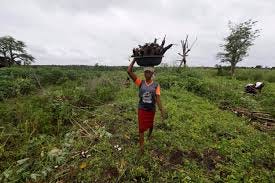
A cocoa farmer in the Southwest, Micheal Adedeji, once arrived at his farm to find hundreds of thousands of Naira worth of pods stolen overnight — gone before he could harvest. Stories like his are now common across the country.
The “Silent Harvest”: How Thieves Exploit the Scale
Crop theft on large farms rarely happens in one dramatic raid. It is usually a “silent harvest” — a steady, daily drain that only becomes obvious when the final yield falls far short of expectations.
Predictable Patrols: Most traditional security guards follow fixed routes at fixed times. Professional thieves simply watch the pattern and move in the moment the guards leave an area.
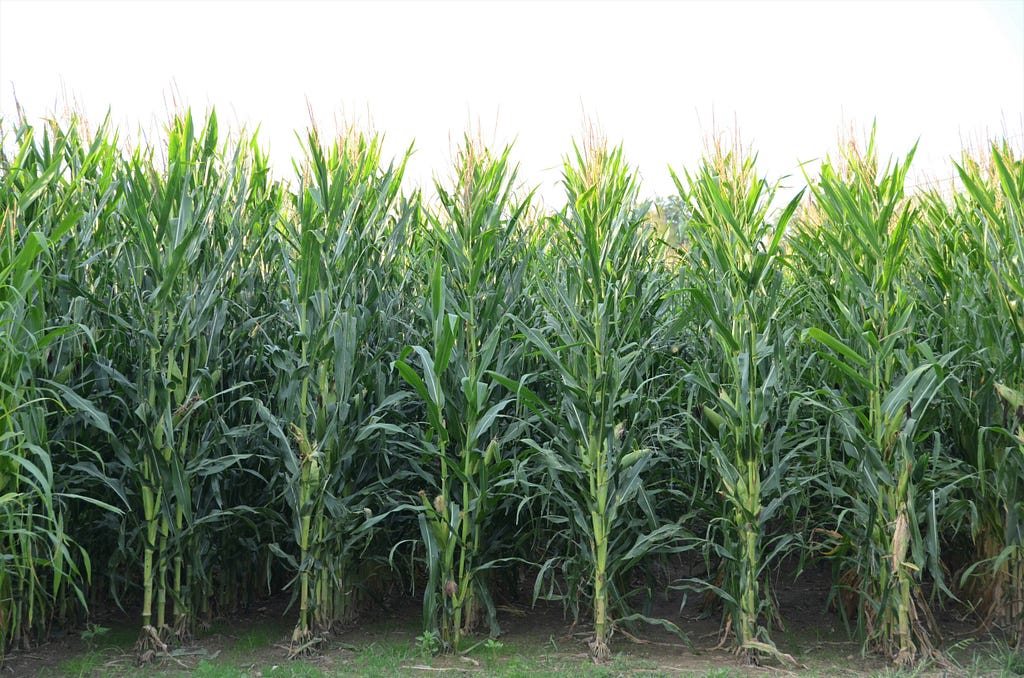
The Coverage Gap: On a farm spanning hundreds of hectares, it is physically impossible for a ground team to monitor everything. Tall maize, thick oil palm, or cassava plantations create perfect natural cover. Thieves can operate just 50 metres away and remain completely invisible.
Remote Access Points: Large farms often have multiple porous boundaries that are difficult and expensive to fence or light fully. These remote corners become free-for-all zones for neighbouring encroachment or organised theft.
The Illusion of Security
Many investors believe that simply adding more guards will solve the problem. But without an aerial or real-time overview, extra guards often just mean more people walking blindly through the fields.
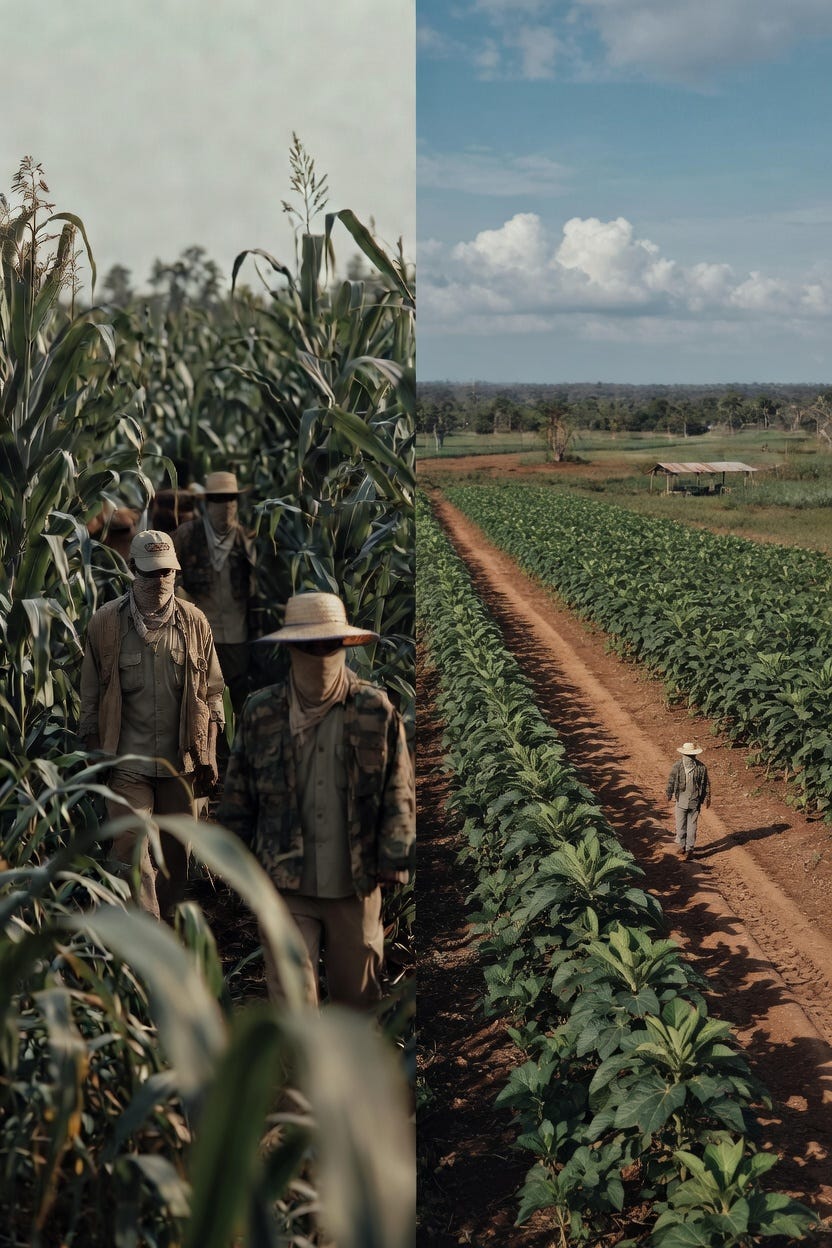
When security is limited to the ground, a thief only needs to stay out of direct line of sight. This visibility gap explains why traditional ground-based security is increasingly ineffective for modern large-scale farming in Nigeria. On farms over 100 hectares, the odds are heavily stacked in the thief’s favour.
Protecting Your Bottom Line
Theft thrives on opportunity. As long as your farm has “blind spots” that take 20–30 minutes to reach on foot, you are giving thieves a daily window to harvest what you planted.
Key Takeaway: On large Nigerian farms, traditional ground security is blind by design. The thief only needs scale, patience, and your coverage gaps.
How much of your harvest are you actually losing every single night?
Tomorrow (Day 3): We go deeper into the specific “Hidden Security Blind Spots” that exist on most Nigerian farms — and why they are far more dangerous than most managers realise.
Beat Drone
Originally published on Medium