The Jobs Drones Won’t Take — But Will Change Forever
Whenever new technology arrives, the same question follows:
“Will it take our jobs?”
With drones, the answer is more interesting than most people expect.
A drone will not replace the farmer who understands their land, the engineer who reads structural risk, or the security professional who knows how to respond when something is wrong.
But it will change how they spend their time — and what becomes possible.
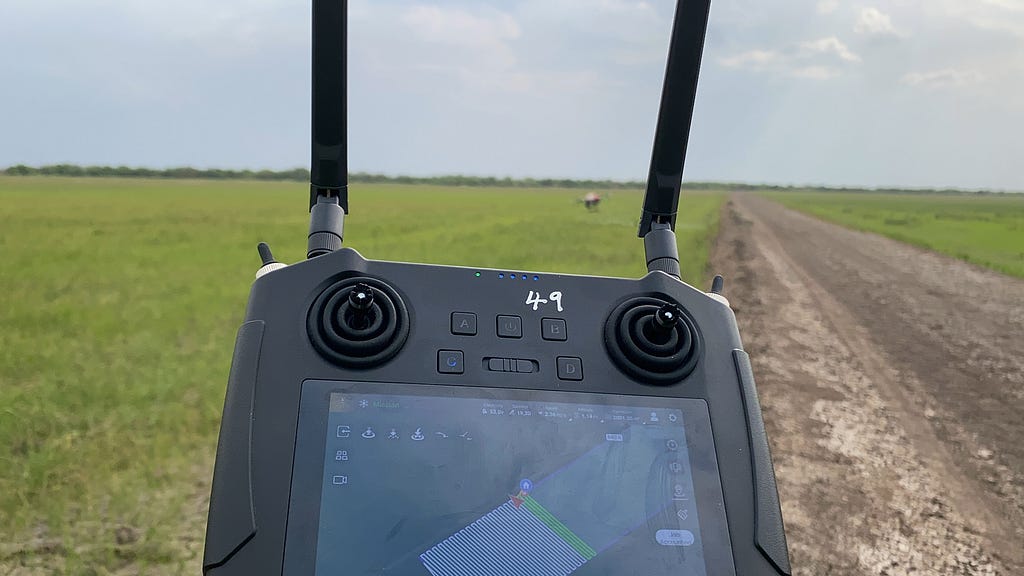
On a large farm, the farmer no longer has to drive or walk every boundary and every block just to confirm nothing is wrong. Aerial coverage turns hours of physical checking into a focused review of the areas that actually need attention. The expertise stays. The wasted movement shrinks.

An engineer inspecting a tower, pipeline, or rooftop no longer has to climb or put people in unnecessary danger for a visual check. The drone gathers the imagery. The engineer still decides what the imagery means.

A security team facing hundreds of hectares or multiple remote access points no longer has to rely only on ground patrols that can only be in one place at a time. Aerial support gives them visibility over areas that previously stayed dark until someone physically arrived — often too late.
The job does not disappear.
The job gets sharper.
This is the part most discussions about drones miss. The real shift is not mass replacement. It is the quiet upgrade of the people who already know the work. They stop spending so much energy on coverage and logistics, and start spending more on judgment, response, and decision-making.
For African businesses dealing with large farms, expanding infrastructure, difficult terrain, and rising security pressure, that upgrade is not theoretical. It is the difference between reactive operations and controlled ones.
At BeatDrone, we believe technology works best when it multiplies human expertise instead of trying to erase it.
Key Takeaway
The biggest impact of drones may not be the jobs they eliminate.
It may be the jobs they finally allow people to do properly.

Coming Next:
As the technology becomes more accessible, the harder question appears: How quickly will African businesses actually put it to work — and what will it cost those who wait?
Beat Drone
Originally published on Medium