THE FUTURE OF FARM SECURITY: Why smart farms are turning to Aerial Surveillance
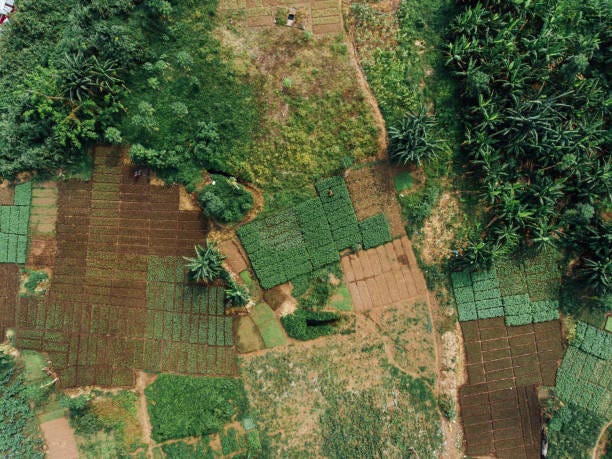
For decades, Nigerian farmers focused primarily on increasing yield.
Today, the biggest challenge on large farms is no longer just production — it’s protection.
As agricultural investments expand into hundreds and even thousands of hectares, traditional security methods are struggling to keep up. Guards, fences, and foot patrols cannot effectively cover the scale, speed, and complexity of modern farming.
The future belongs to farms that intelligently combine people with technology.
The Shift Toward Aerial Surveillance
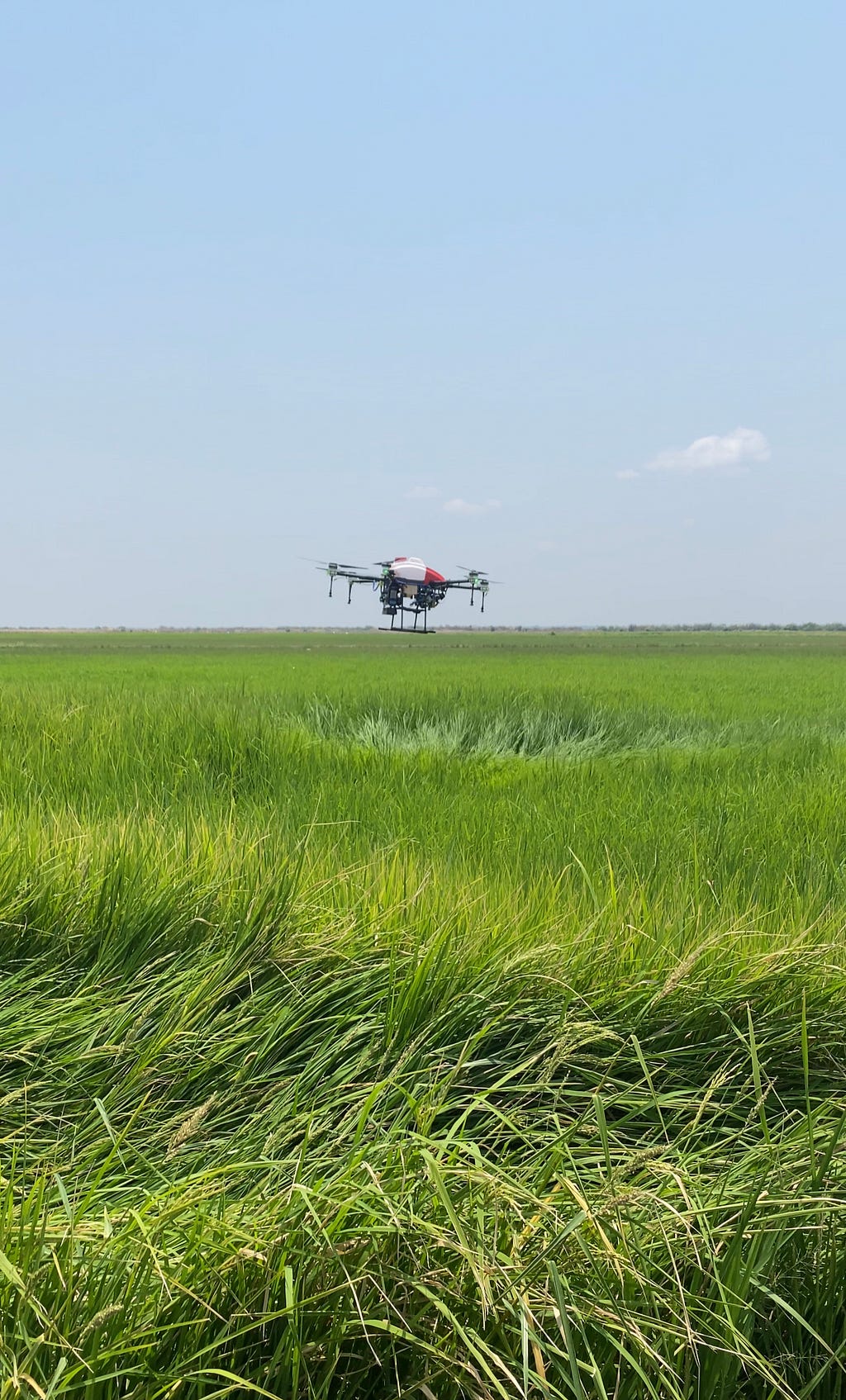
Smart farms across Nigeria are increasingly turning to aerial surveillance — particularly drones — to solve the persistent problems we’ve discussed in this series: hidden blind spots, slow response times, night-time vulnerability, and illegal grazing.
While a security guard may take 20–30 minutes to reach a distant part of a 500-hectare farm, a drone can cover the same area in minutes.
Key Advantages of Aerial Surveillance:
- Rapid Coverage: Monitor vast areas quickly that would normally take hours on foot.
- Better Detection: Identify intruders, cattle herds, or suspicious activity in real time — even in remote or high-growth zones.
- Night Operations: Thermal drones reveal movement in complete darkness when human vision fails.
- Clear Evidence: Record high-quality video for prosecution or farmer-herder conflict resolution.
- Multi-Purpose Value: Simultaneously monitor crop health, irrigation problems, and infrastructure.
Real-World Impact in Nigeria
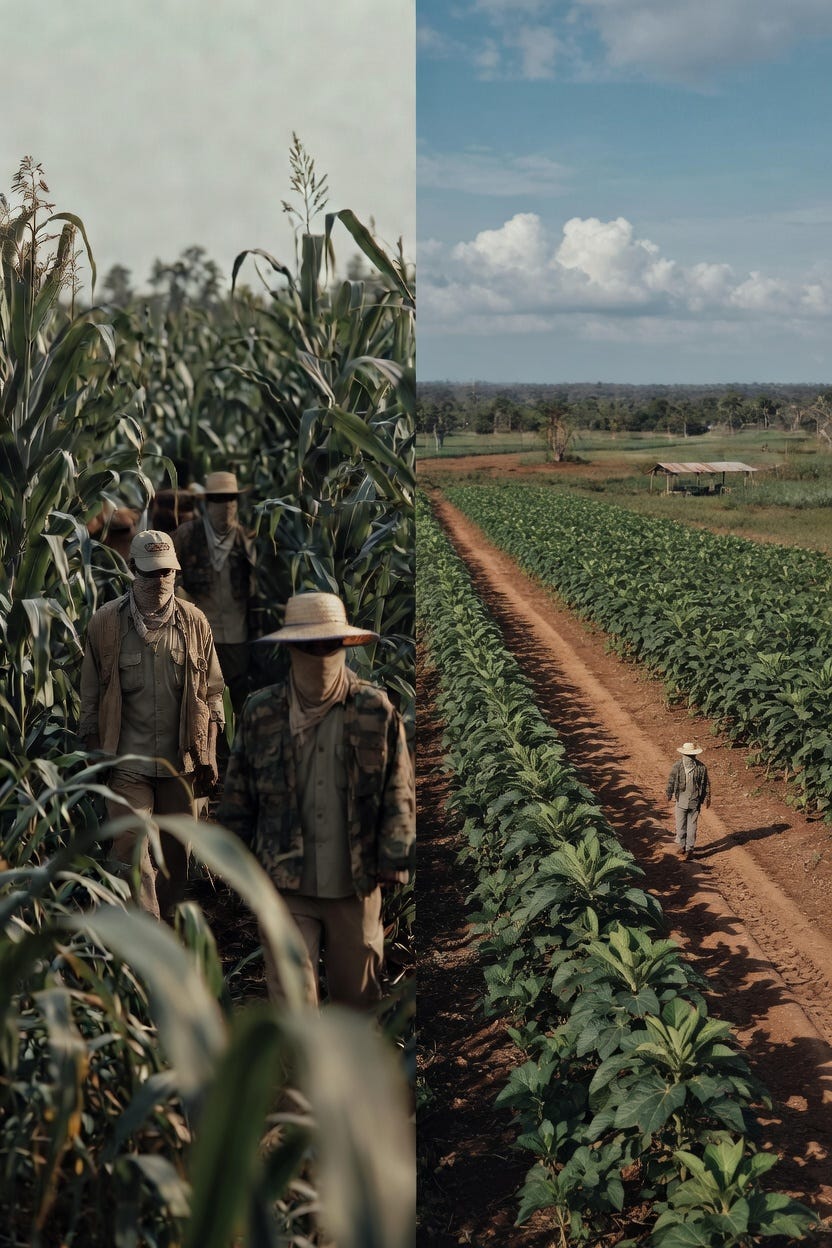
Early adopters of drone surveillance on large farms are already reporting sharp reductions in crop theft and illegal grazing. Studies in Nigeria show that farms using AI-powered and drone monitoring have recorded an average 45% reduction in crop theft incidents within the first year. Instead of discovering losses after the damage is done, farm managers now get early alerts and can respond within minutes.
Beyond Security
Modern aerial systems are proving to be more than just security tools. They have become valuable farm management assets — supporting boundary monitoring, harvest planning, crop health assessment, and overall operational efficiency.
The Bigger Picture
As Nigeria and Africa push for greater food production and attract more private investment into agriculture, protection must evolve alongside growth. The most successful farms of tomorrow will be those that combine:
- Dedicated security personnel
- Strong government policies
- Smart aerial surveillance and real-time data
Key Takeaway: Traditional ground-based security alone is no longer enough for large-scale farms. The future of farm security in Nigeria is hybrid — combining human effort with aerial visibility for faster detection, fewer losses, and better protection of agricultural investments.
Coming Next: How drone technology is practically solving real security and operational challenges for farms across Nigeria.
Beat Drone
Originally published on Medium