The Difference Between Managing a Farm and Truly Knowing What’s Happening on It.
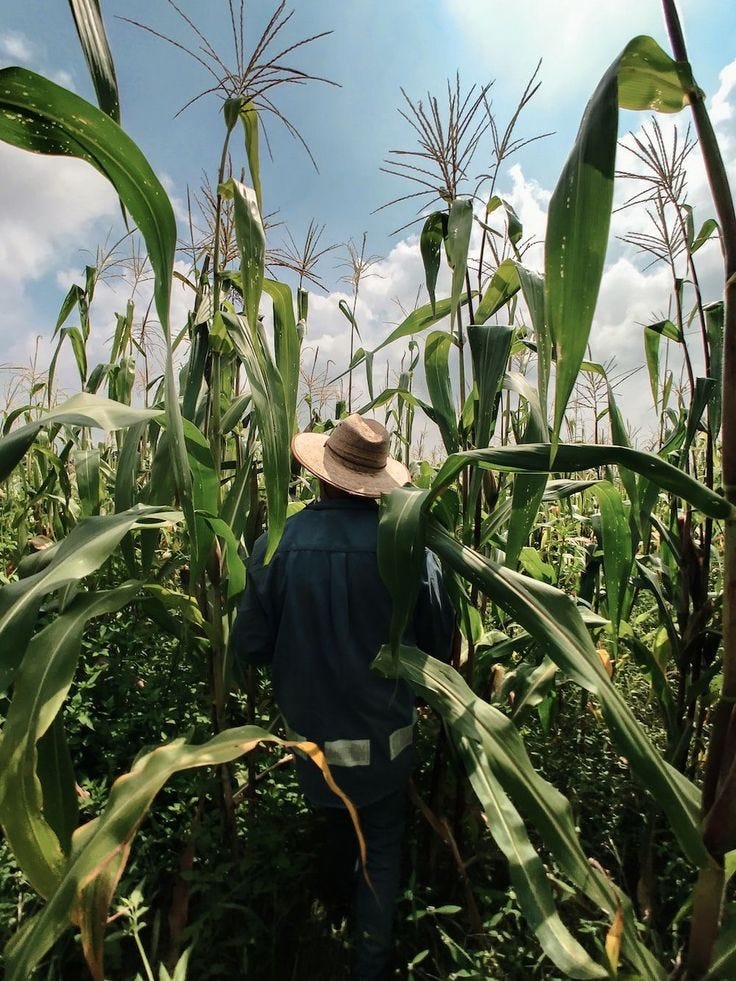
For many farmers, a typical day still starts the same way: A walk through the fields. A quick check of the crops. A conversation with workers. A look at the irrigation lines and equipment.
This approach has worked for decades. But as farms grow larger, it is no longer enough.
Today, many commercial farms in Nigeria and across Africa stretch across hundreds — and in some cases thousands — of hectares. At that scale, the simple question becomes critical:
How much of your farm do you actually know at any given moment?
Managing a farm and truly understanding what is happening across it are no longer the same thing.
When Size Creates Blind Spots
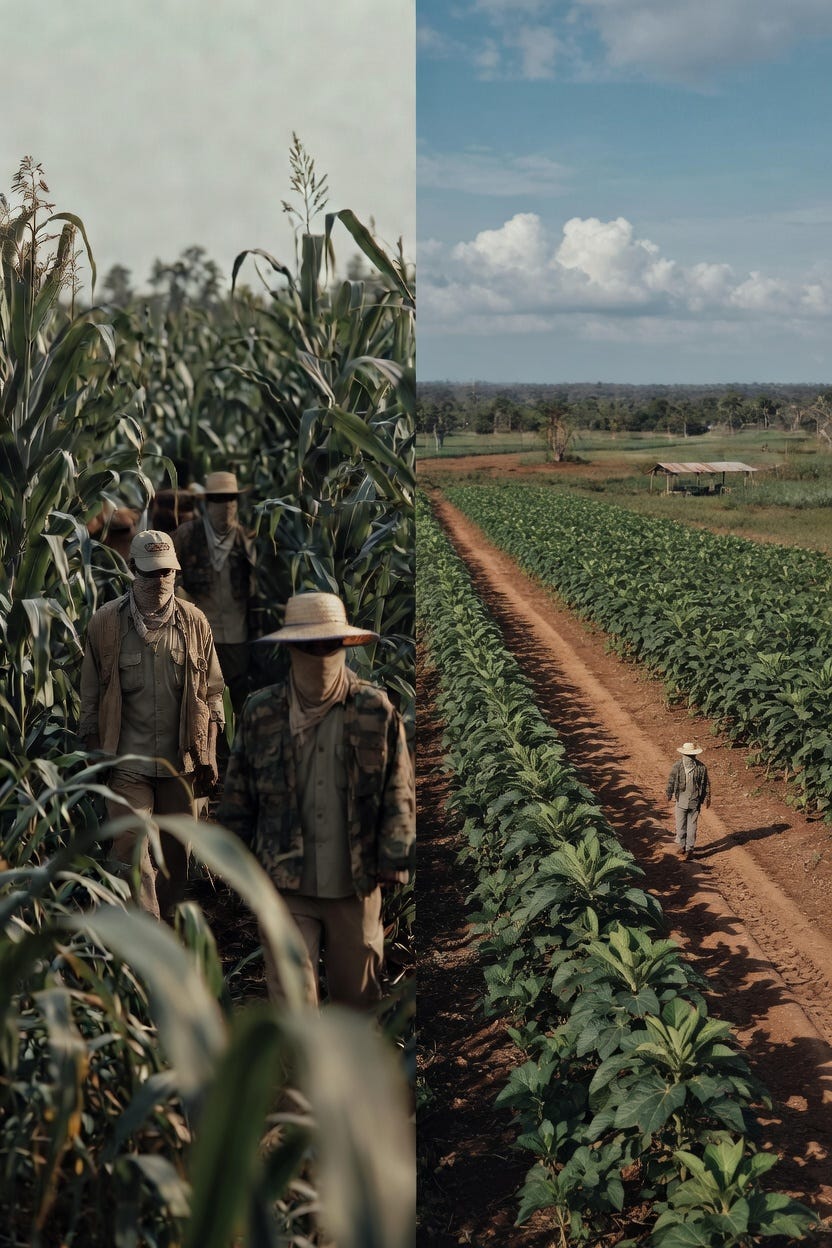
A 500-hectare or 1,000-hectare farm cannot be fully monitored by walking. Even the most experienced manager can only cover a limited area each day. Meanwhile, problems develop quietly:
- Crop stress or pest pressure in a distant section
- An irrigation failure that goes unnoticed for hours or days
- Issues with workers or equipment far from the main base
- Early signs of intrusion or illegal activity
By the time these problems become visible, the cost has already risen. In many cases, farmers only discover the full extent of losses at harvest time.
Good Decisions Depend on Timely Visibility
The best farm managers do not rely on guesswork. They rely on accurate, timely information.
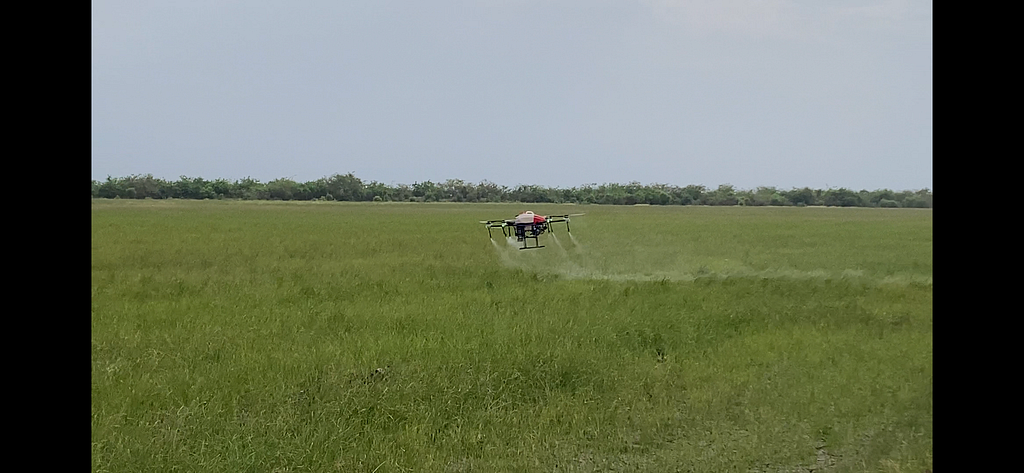
Seeing a problem one day earlier can mean the difference between a manageable issue and a major loss. Better visibility allows farmers to:
- Detect crop stress, water problems, or disease earlier
- Monitor large areas efficiently without constant physical presence
- Make faster, more confident operational decisions
- Reduce the financial impact of delays and surprises
In commercial agriculture, timing is everything.
From Walking Fields to Seeing the Full Picture
This is why progressive farms are combining traditional inspections with aerial monitoring. Technology does not replace the farmer’s experience — it extends it.
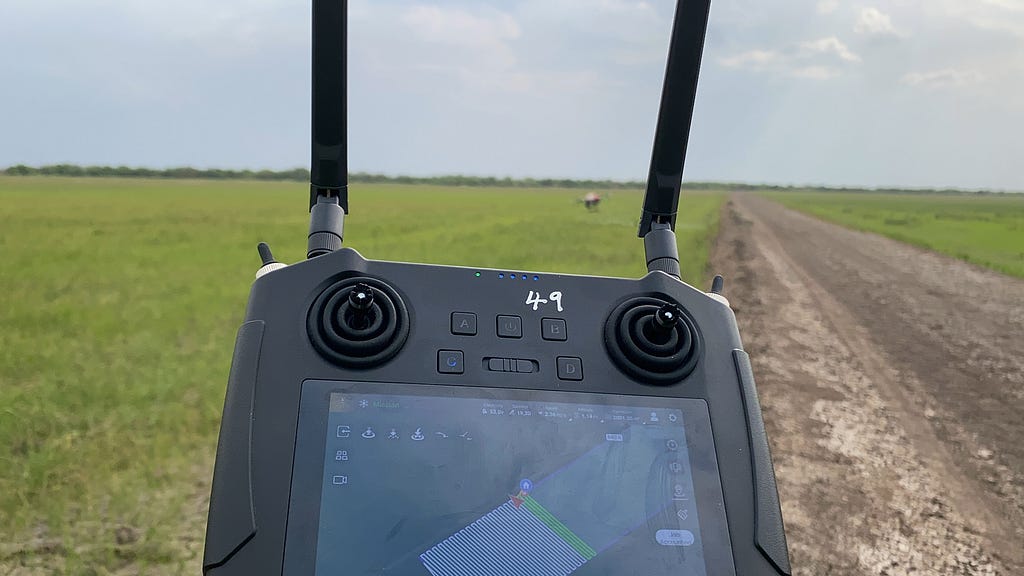
Aerial tools give managers a clear, up-to-date view of the entire operation. Instead of discovering problems after the damage is done, they can identify changes while there is still time to act.
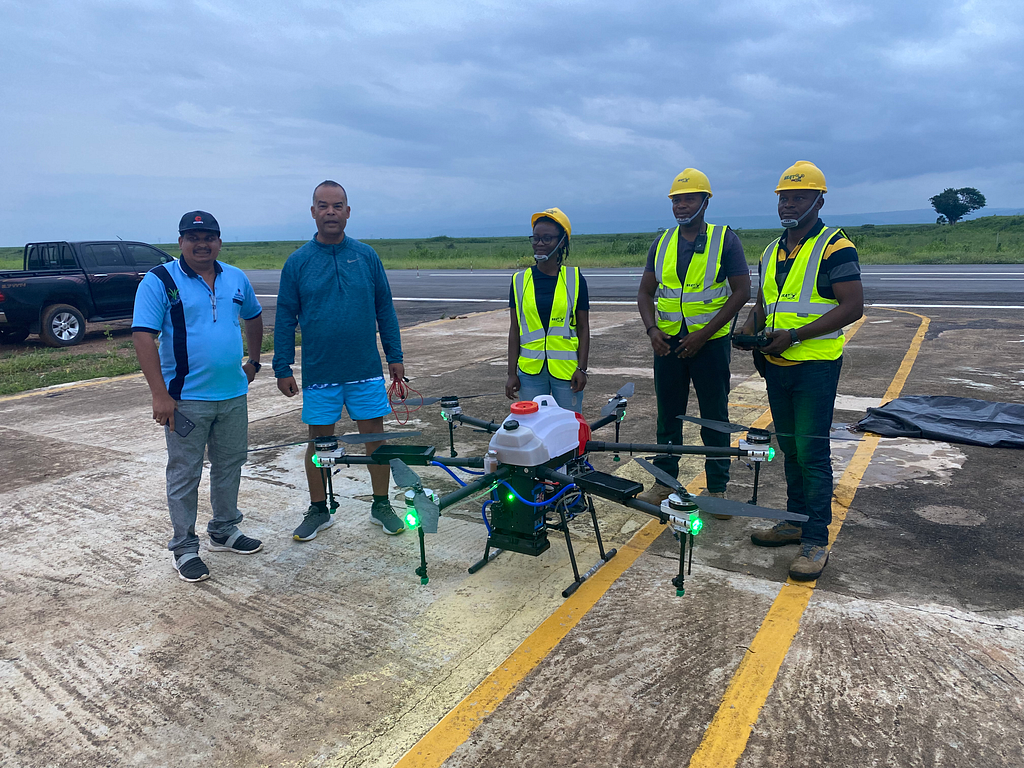
Companies like BeatDrone support this shift by helping large farms gain practical, reliable visibility across their land. The goal is not simply to collect images. It is to give farmers the information they need to protect yields, control costs, and make better decisions.
The Future of Farm Management
The farms that will succeed in the coming years will not necessarily be the biggest. They will be the ones who can see more clearly, understand problems earlier, and respond faster.
Successful farming is no longer just about working harder. It is about making informed decisions before small issues become expensive ones.
Key Takeaway: Managing a farm is about overseeing daily operations. Truly knowing what is happening on your farm is about having the visibility to make timely, informed decisions.
As agriculture continues to scale, the farms that invest in better visibility will be better positioned to improve productivity, reduce losses, and protect their investments.
Coming Next: Security threats don’t always begin with a major incident. In our next article, we’ll explore why some security threats are discovered too late — and how better visibility can help organisations respond before small issues become costly problems.
Beat Drone
Originally published on Medium