Inside a Professional Drone Operation: What Happens During a Mission
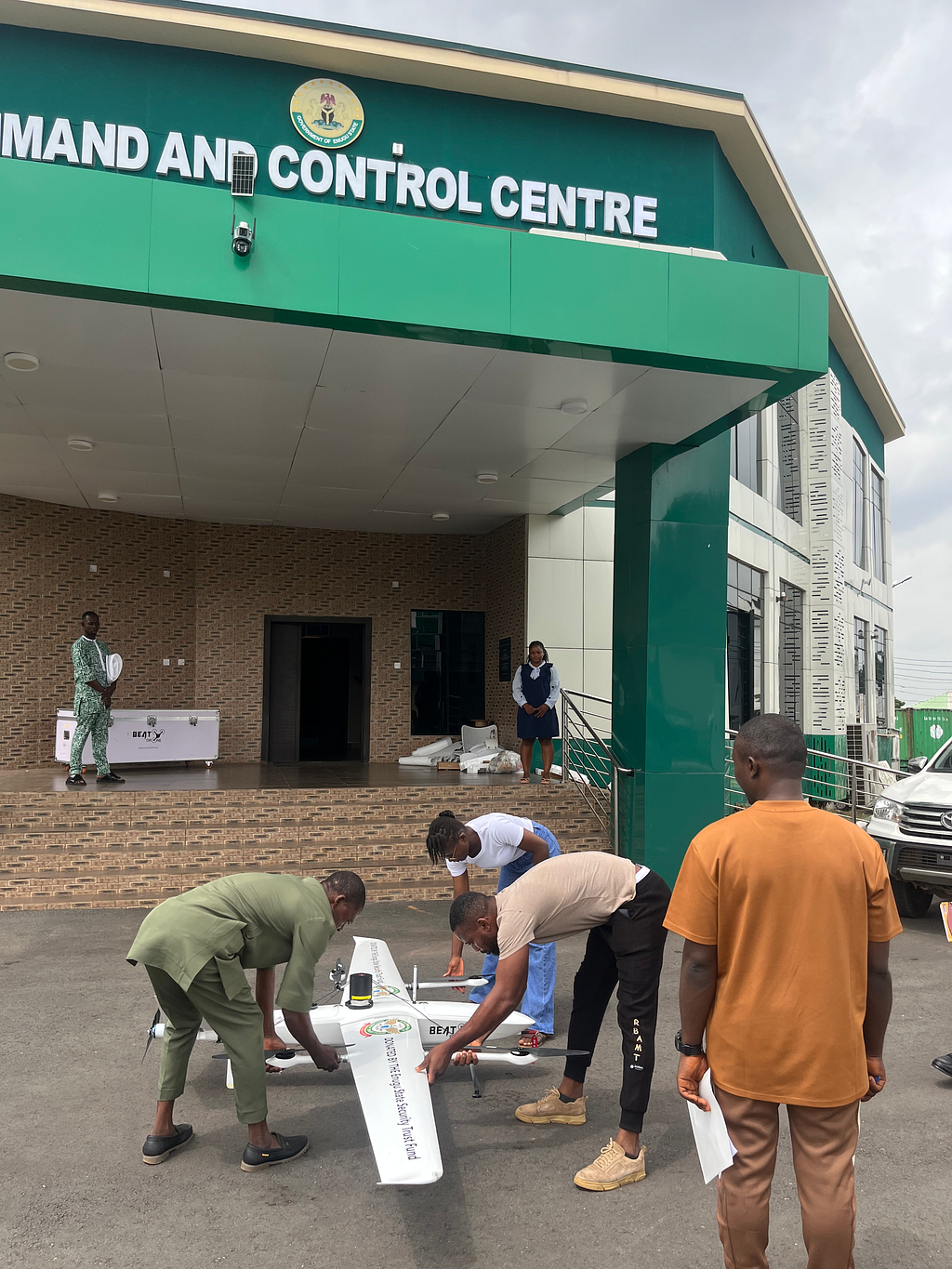
To most people, a drone operation looks simple: the drone flies up, takes some footage, and lands.
In reality, professional drone missions — especially for agriculture, security, infrastructure, and industrial use — are carefully structured operations designed for safety, accuracy, and maximum value.
Here’s what actually happens during a typical professional drone mission:
1. Mission Planning (Pre-Flight Phase) Every successful operation starts on the ground. Professional teams spend time on:
- Detailed risk assessment of the area (terrain, population density, restricted zones)
- Weather analysis (wind speed, visibility, rain probability)
- Flight path planning and objective definition
- Equipment checks and battery management
- Regulatory compliance and permit verification
- Emergency response protocols
For example, a security patrol on a 500-hectare farm requires completely different planning than inspecting a 20km oil pipeline or monitoring a construction site.

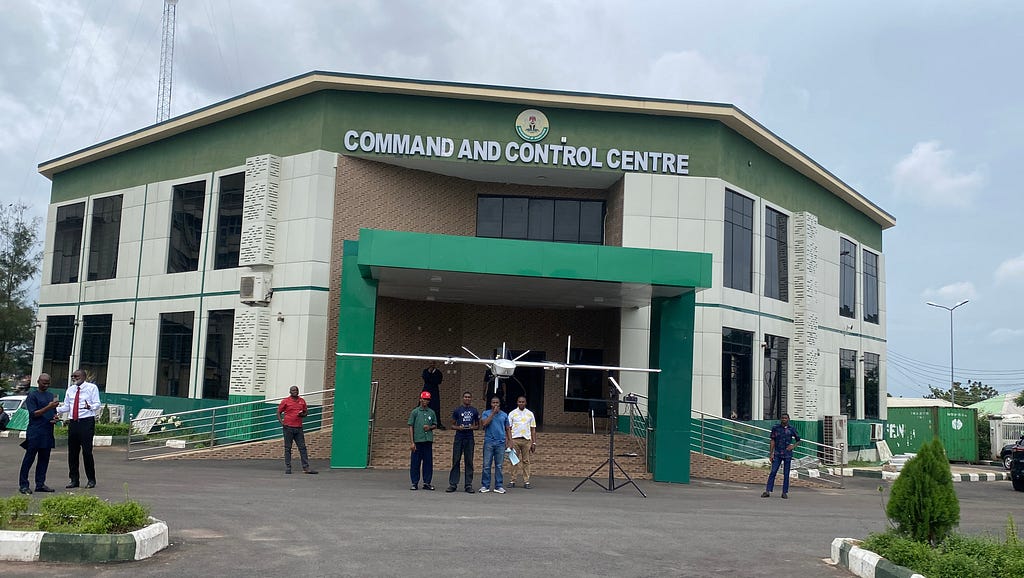
2. Deployment and Flight Execution Once approved, the team moves to the launch site. Modern professional operations often involve:
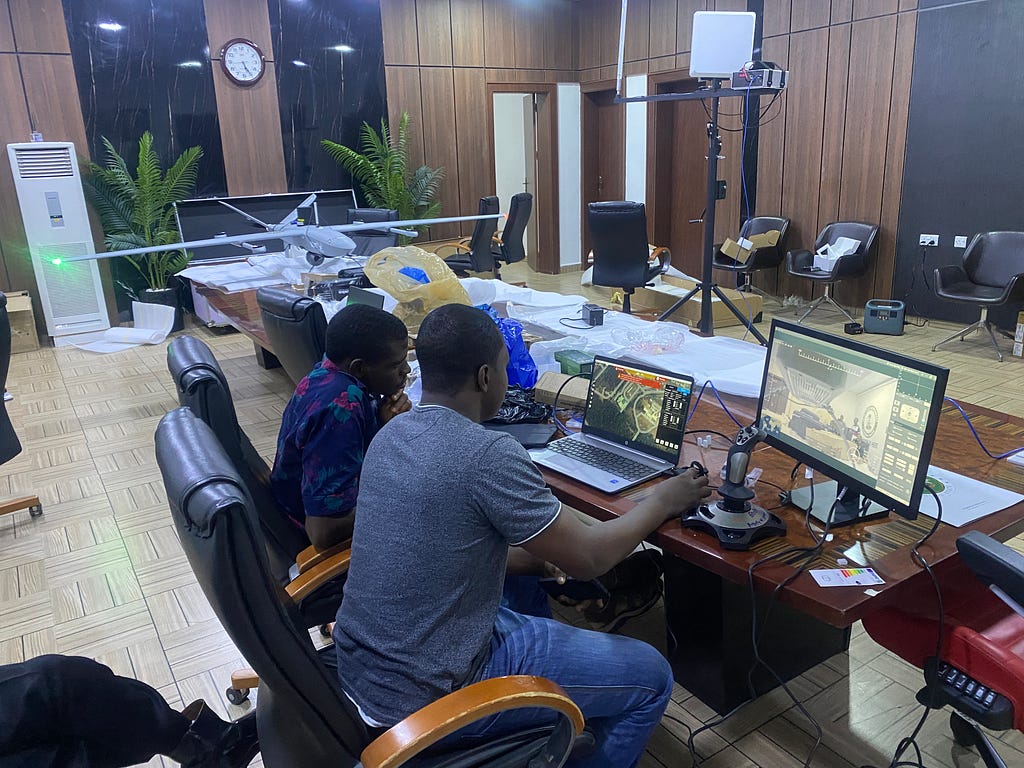
- Ground control stations with live telemetry
- Multiple operators (pilot + observer + analyst in complex missions)
- Coordinated Beyond Visual Line of Sight (BVLOS) flights where permitted
- Real-time monitoring of drone health, battery, and signal strength
- Adaptive flight adjustments based on live conditions
3. Data Collection This is where the real value is created. Professional drones capture:
- High-resolution RGB imagery (up to 48MP)
- Thermal imaging for night operations and heat signature detection
- Multispectral data for crop health analysis
- LiDAR for 3D mapping and volumetric measurements
- GPS-tagged video evidence for security incidents
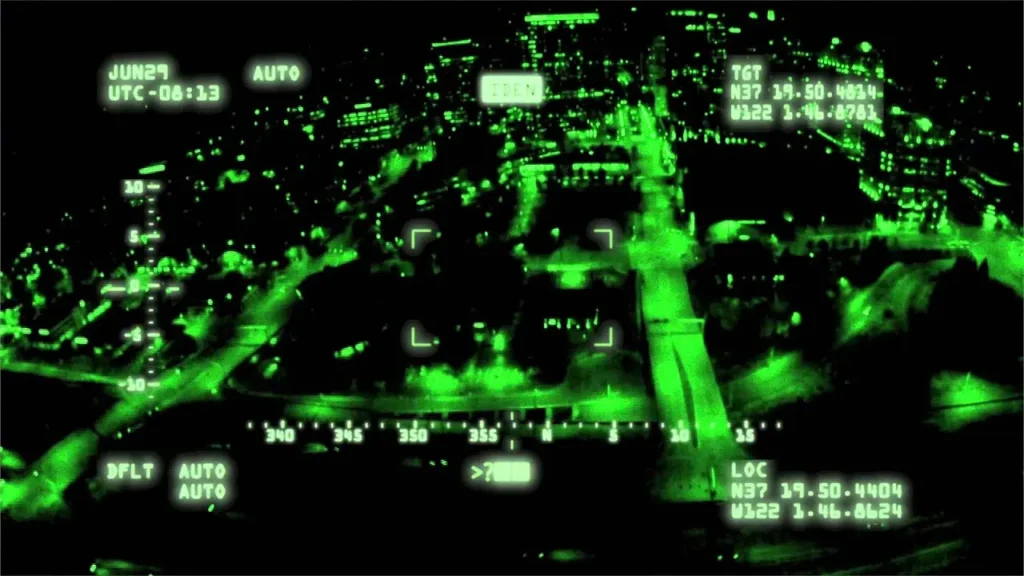
4. Real-Time Analysis and Response Live footage is streamed to a command center or mobile device. AI-powered software can automatically flag:
- Human or animal movement
- Perimeter breaches
- Crop stress areas
- Infrastructure anomalies
This allows security teams to respond in minutes rather than hours.
5. Post-Flight Processing and Reporting After landing, the team processes the data into actionable deliverables:
- Detailed security incident reports with timestamped evidence
- Crop health maps and recommendations
- 3D site models for construction
- Inspection reports for infrastructure
Why Professional Operations Matter
In high-stakes environments across Africa, poor execution can lead to crashed drones, lost data, regulatory fines, or missed threats. Companies like BeatDrone specialize in structured, compliant operations designed specifically for African conditions — rugged equipment, trained local pilots, and systems built to handle dust, heat, and long-range missions.
Key Takeaway: A professional drone operation is a sophisticated workflow — from careful planning and safe execution to intelligent data analysis. The real power lies not in the drone itself, but in the structured process behind it.
Coming Next: Why drone technology is becoming critical for modern security operations — and how aerial surveillance is fundamentally changing the protection of large areas.
Beat Drone
Originally published on Medium