How State Governments Can Protect Agricultural Investments
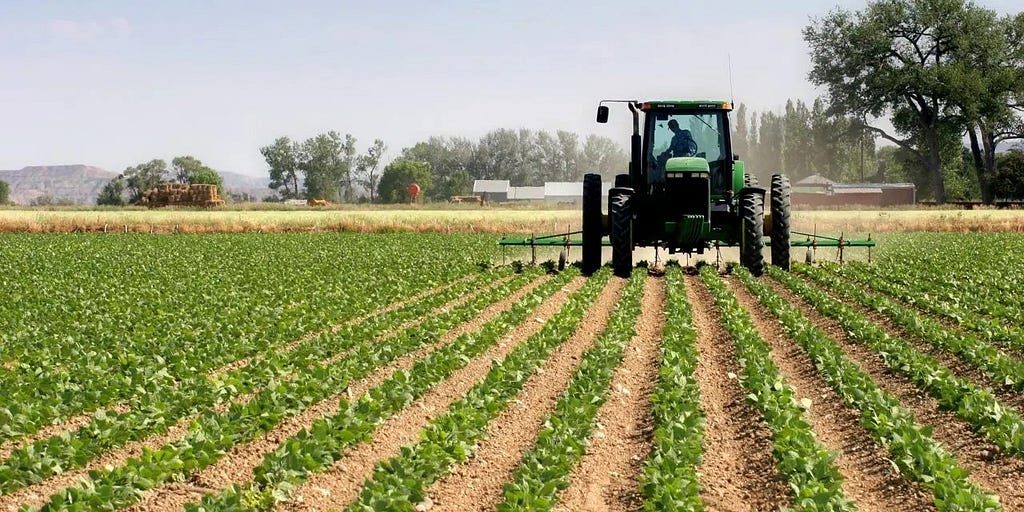
In recent years, many Nigerian states have bet heavily on agriculture — from rice revolutions in Kebbi to large-scale farm projects in Ogun, Nasarawa, and Benue.
But there’s a growing problem: You cannot attract or retain serious investment in agriculture without reliable security.
Agriculture currently contributes over 24% of Nigeria’s GDP, with crop production being the largest driver. When large farms suffer from theft and illegal grazing, the impact spreads quickly — food prices rise, rural jobs are lost, and investors pull back.
Farm security has become a critical state economic issue.
What Governments Are Already Doing
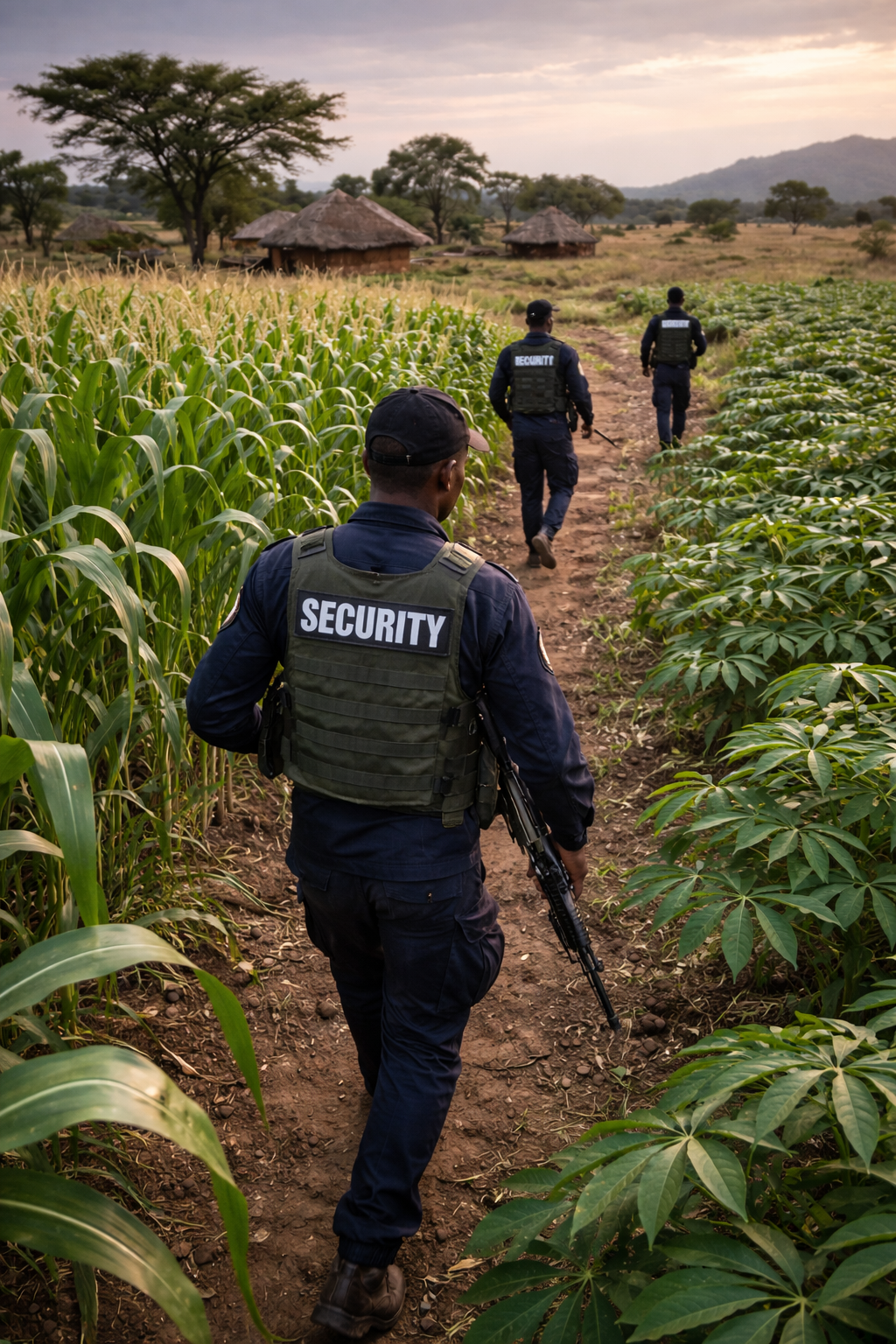
Several states deserve credit for taking action. Many have enacted anti-open grazing laws, deployed Agro Rangers, and established regional security networks. In some areas, these efforts have reduced farmer-herder clashes and improved local confidence.
However, for large commercial farms operating on hundreds or thousands of hectares, these measures are still insufficient. Traditional security models cannot match the scale, speed, and remote nature of today’s threats.
What State Governments Must Do Differently
To truly safeguard agricultural investments, states should adopt a smarter, hybrid approach:
- Create dedicated Agricultural Protection Units — specialised rapid-response teams trained specifically for farm-related crimes and illegal grazing.
- Strengthen enforcement of farm protection laws with faster prosecution and stricter penalties for repeat offenders.
- Form Public-Private Security Partnerships — offering subsidies or co-funding for modern surveillance tools on large farms.
- Invest in supporting rural infrastructure — access roads, communication towers, and solar-powered lighting that enable faster response times.
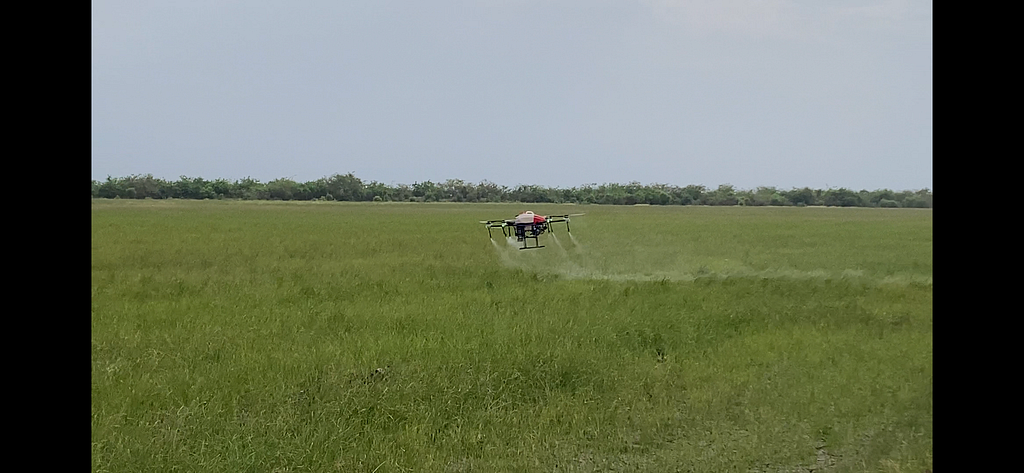
- Integrate technology into state security frameworks — using drones and real-time monitoring to cover vast areas that human patrols cannot reach effectively.
Why This Matters
Insecurity continues to cost the agricultural sector billions of Naira annually in lost produce. States that successfully combine strong policy enforcement with modern technology will not only reduce losses but also attract bigger investors and accelerate food production.
Key Takeaway: Protecting large-scale agriculture is no longer just the farmer’s responsibility. It is a vital economic development duty for state governments. The states that act decisively with policy and technology will lead Nigeria’s agricultural future.
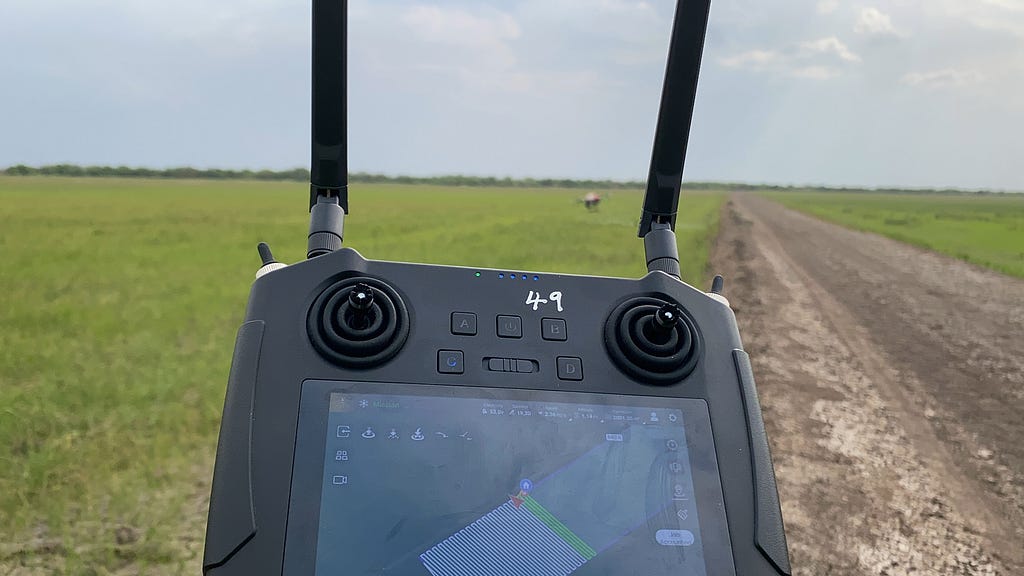
Coming Next (Day 7): Why the future of farm security is aerial — and how drone surveillance is becoming essential, not optional, for large farms in Nigeria.
Beat Drone
Originally published on Medium